Arthritis & Joint Pain
Stay Active, Stay Independent — Managing Joint Pain for Life
Arthritis does not have to mean a life of limitation. With the right physiotherapy management, most people with arthritis can significantly reduce their pain, improve their function, and maintain their independence — at any age.
Types of Arthritis & Joint Conditions We Manage
- Osteoarthritis — knee, hip, shoulder, hand
- Rheumatoid arthritis — joint protection and mobility
- Psoriatic arthritis
- Ankylosing spondylitis
- Gout — acute and chronic joint management
- Joint hypermobility syndrome
- Patellofemoral pain syndrome (kneecap pain)
- Bursitis — hip, shoulder, elbow, knee
We provide expert physiotherapy for a wide range of arthritis and joint conditions, helping reduce pain, improve mobility, restore strength, and enhance your quality of life.
How Physiotherapy Helps Arthritis
Physiotherapy is one of the most effective, evidence-based treatments for arthritis. It reduces pain, improves joint mobility, builds the surrounding muscle strength that protects damaged joints, and empowers you with the knowledge to self-manage effectively long-term.
Simple Steps to Start Your Recovery
Take the first step toward better health with our simple, personalized care process designed to help you recover safely, effectively, and with confidence.
1
Exercise Therapy
Land-based and hydrotherapy-style exercise programmes to build strength around affected joints, improve mobility, and reduce pain. Exercise is the single most effective long-term treatment for osteoarthritis.
2
Manual Therapy
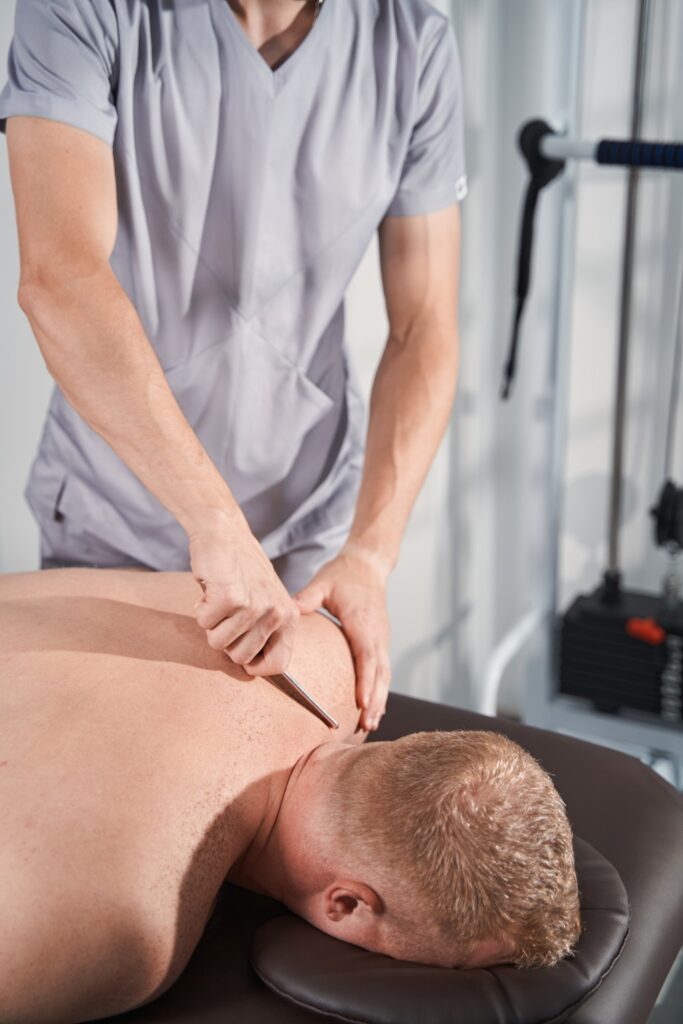
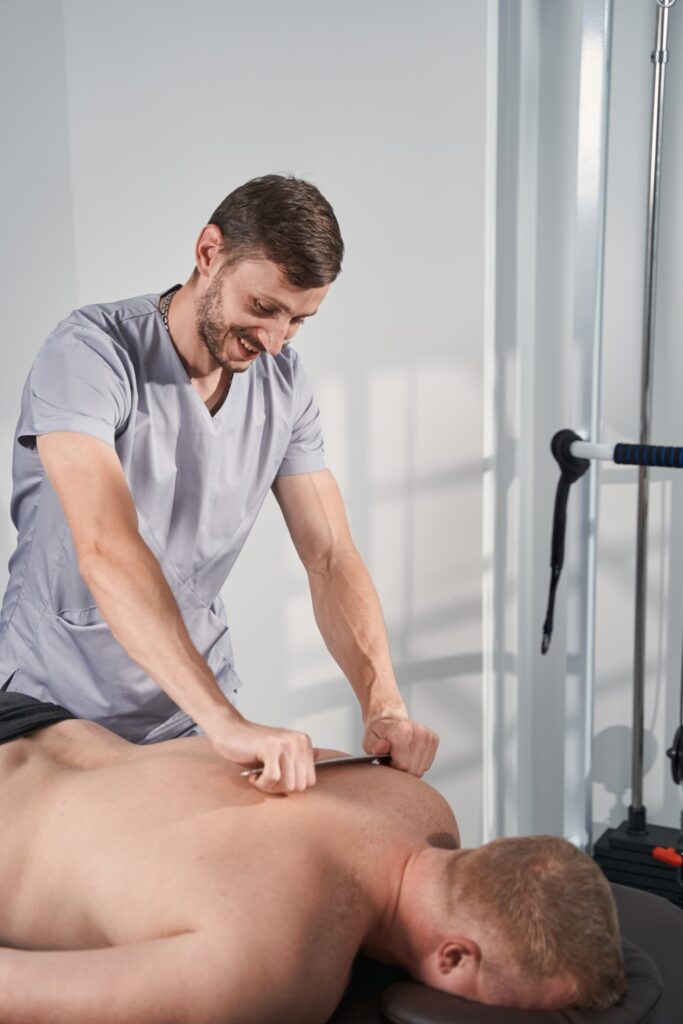
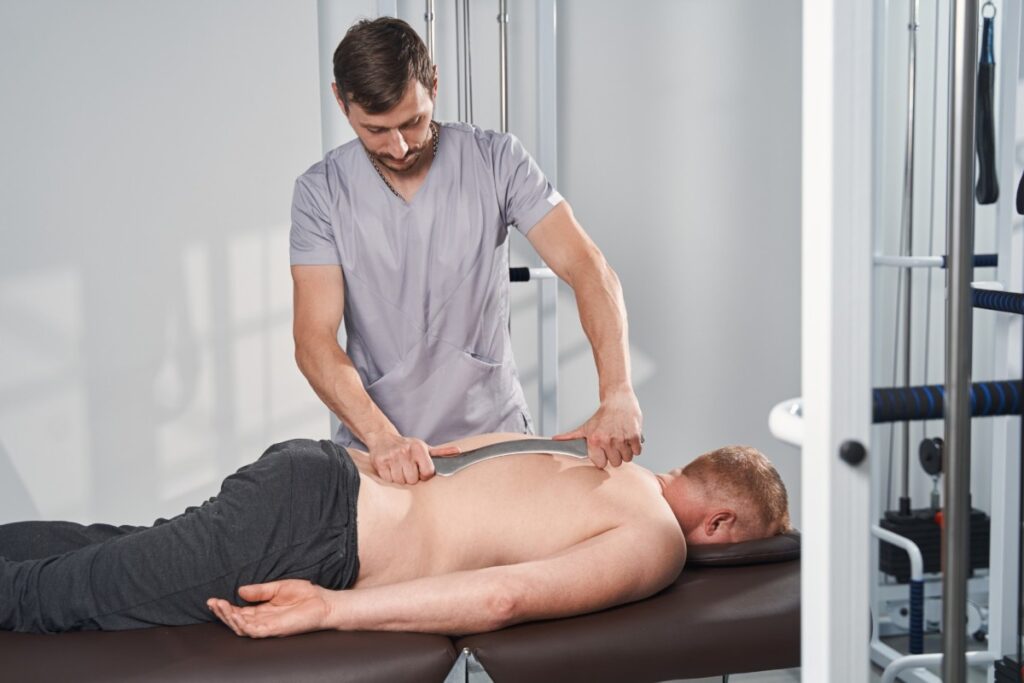
Gentle joint mobilisation and soft tissue techniques to reduce stiffness, improve range of motion, and provide meaningful pain relief — particularly effective for hip and knee osteoarthritis.
3
Joint Protection Education
Techniques and adaptations to carry out daily tasks in ways that minimise stress on affected joints — reducing pain and protecting cartilage.
4
Pain Management Strategies
Electrotherapy, heat and cold therapy guidance, activity pacing techniques, and self-management tools to help you control pain day-to-day.
5
Assistive Device Advice
Guidance on walking aids, orthotics, splints, and adaptive equipment to support independence and reduce joint loading.
What We Aim to Achieve With You
Our goal is to reduce pain, restore movement, and help you return to an active, healthy lifestyle.
- Meaningful, measurable reduction in daily pain
- Improved joint flexibility and ease of movement
- Stronger muscles that protect your joints
- Greater confidence and independence in daily life
- Understanding of your condition and how to self-manage
- Reduced reliance on pain medication where possible
Frequently Ask Question
Have questions? Explore our frequently asked questions to learn more about our treatments, booking process, and patient care.
Will exercise make my arthritis worse?
Absolutely. 'Prehabilitation' before joint replacement surgery significantly improves post-operative outcomes. Building strength and mobility before your operation means faster recovery and better function afterwards.
Not necessarily. Some mild discomfort during exercise can be normal and acceptable. We use a simple 'traffic light' pain monitoring system to help you distinguish between productive discomfort and pain that signals you should stop or modify.