Neurological Rehabilitation
Rebuilding Movement, Function & Independence After Neurological Conditions
Neurological conditions can profoundly affect movement, balance, coordination, and independence. Specialist neurological physiotherapy helps the brain and body relearn skills, build compensatory strategies, and maximise functional recovery at every stage of life.
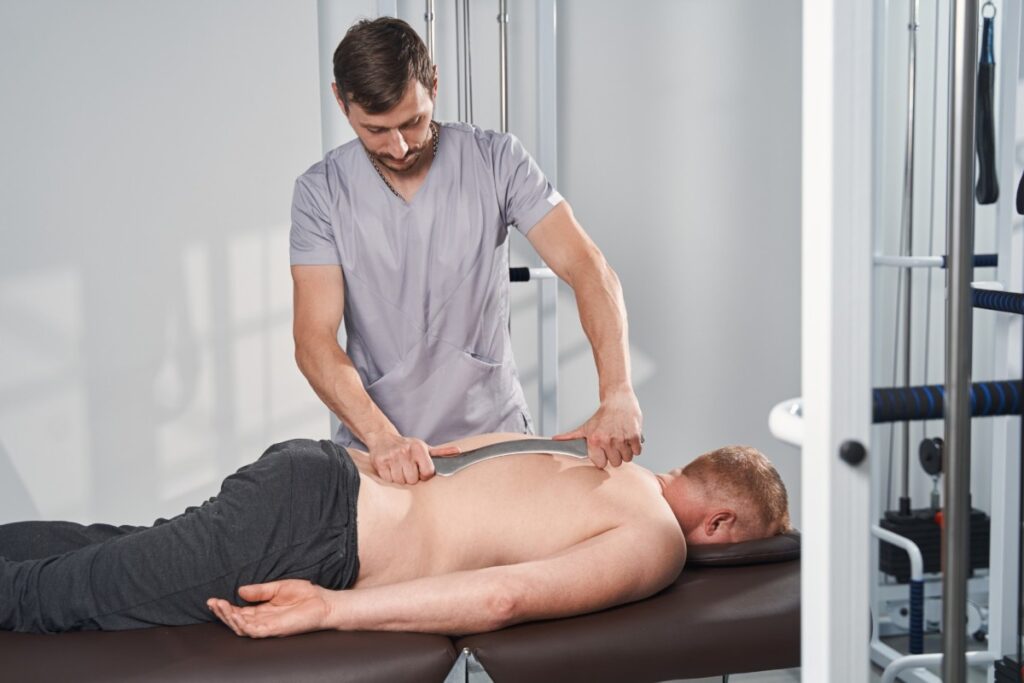
Conditions We Treat
- Stroke and TIA recovery
- Parkinson's disease — movement and gait
- Multiple sclerosis (MS)
- Traumatic brain injury (TBI)
- Guillain-Barré syndrome recovery
- Peripheral neuropathy
- Cerebral palsy (adult and paediatric)
- Functional neurological disorder (FND)
Personalized neurological rehabilitation to improve movement, restore function, and help you regain confidence and independence.
Our Neurological Rehabilitation Approach
Neurological rehabilitation is built on the principle of neuroplasticity — the brain’s remarkable ability to reorganise and form new connections throughout life. Repetitive, task-specific practice and progressive challenges are at the heart of everything we do.
Simple Steps to Start Your Recovery
Take the first step toward better health with our simple, personalized care process designed to help you recover safely, effectively, and with confidence.
1
Gait Rehabilitation
Detailed gait analysis and targeted retraining to improve walking speed, pattern, safety, and endurance — with or without walking aids.
2
Balance & Falls Prevention
Progressive balance training to reduce fall risk, improve confidence, and restore safe, independent mobility in everyday environments.
3
Upper Limb Rehabilitation
Task-specific hand and arm retraining programmes to restore reach, grip, and fine motor function for daily tasks.
4
Functional Electrical Stimulation (FES)
Electrical stimulation of peripheral nerves to facilitate muscle activation, improve gait, and support upper limb recovery.
5
Fatigue Management
Education and pacing strategies to manage neurological fatigue — a common and disabling symptom across many conditions.
Frequently Ask Question
Have questions? Explore our frequently asked questions to learn more about our treatments, booking process, and patient care.
No. Neuroplasticity continues throughout life, and meaningful functional improvement is possible even years after a neurological event. Progress may be slower in the chronic phase, but with the right programme, most people continue to make gains.
Frequency depends on your condition and goals, but neurological rehabilitation typically benefits from more frequent sessions — often 2–3 times per week — combined with a structured home programme. We will recommend the most effective schedule for your situation.
Home visits may be possible in some circumstances — please contact us to discuss your specific needs and location. We will do our best to accommodate patients who are unable to attend the clinic.