Work-Related Injuries
Back at Work, Back to Your Best — Occupational Injury Rehabilitation
Work-related musculoskeletal disorders are among the most common causes of long-term pain and absence from work. Whether you work at a desk, in a warehouse, or on a construction site, we can assess, treat, and help you return to work safely.
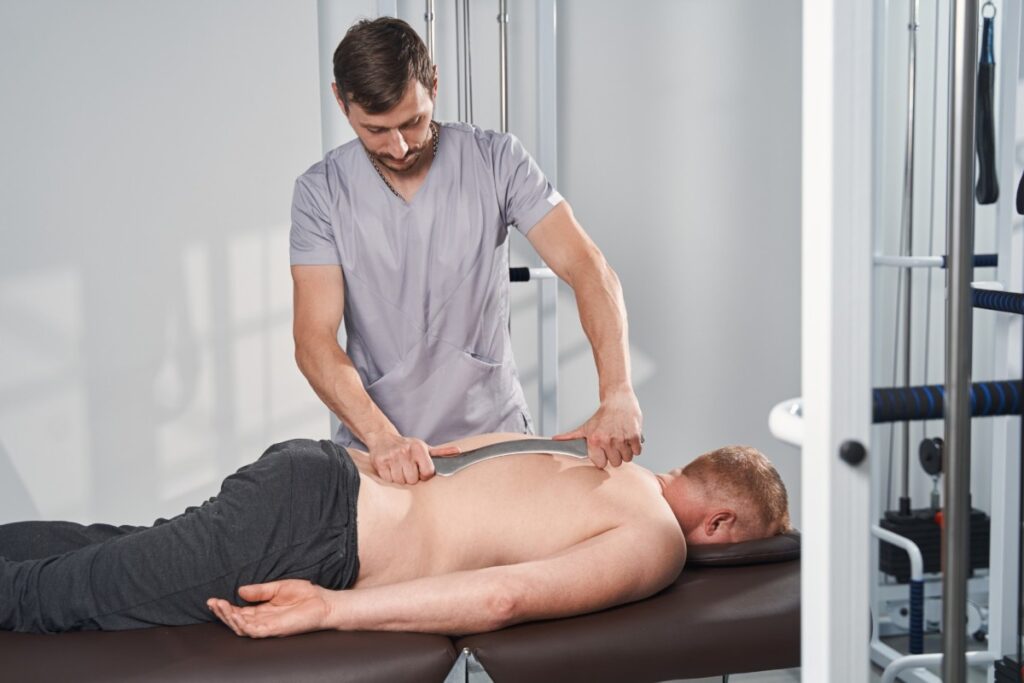
Conditions We Treat
- Tennis and golfer's elbow from repetitive tasks
- Rotator cuff injuries from overhead work
- Knee pain from prolonged kneeling or squatting
- Foot and ankle pain from prolonged standing
- Work-aggravated chronic pain conditions
- Repetitive strain injury (RSI)
- Carpal tunnel syndrome
- De Quervain's tenosynovitis
- Neck and shoulder pain from desk work
- Lower back pain from prolonged sitting or manual handling
We provide expert physiotherapy for a wide range of conditions, helping relieve pain, restore movement, and improve your overall quality of life.
Our Approach to Occupational Rehabilitation
We take a holistic view of work-related injury — looking at both the physical condition and the workplace factors that caused or contributed to it. Treatment and return-to-work planning go hand-in-hand.
Simple Steps to Start Your Recovery
Take the first step toward better health with our simple, personalized care process designed to help you recover safely, effectively, and with confidence.
1
Comprehensive Assessment
Physical examination of your injury combined with a detailed understanding of your job demands, posture, and work environment.
2
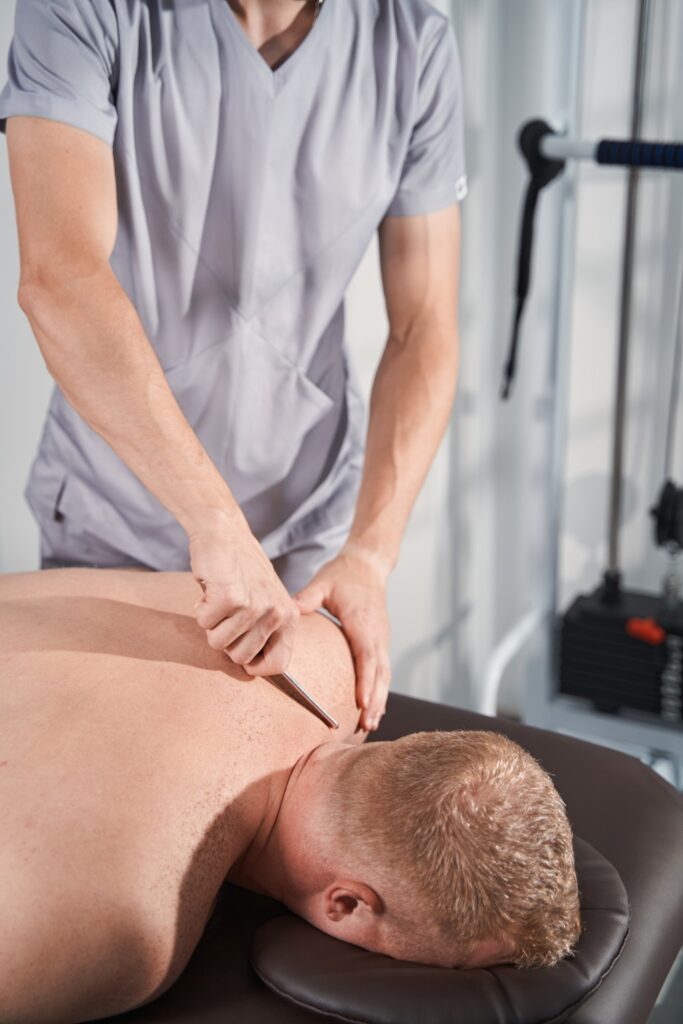
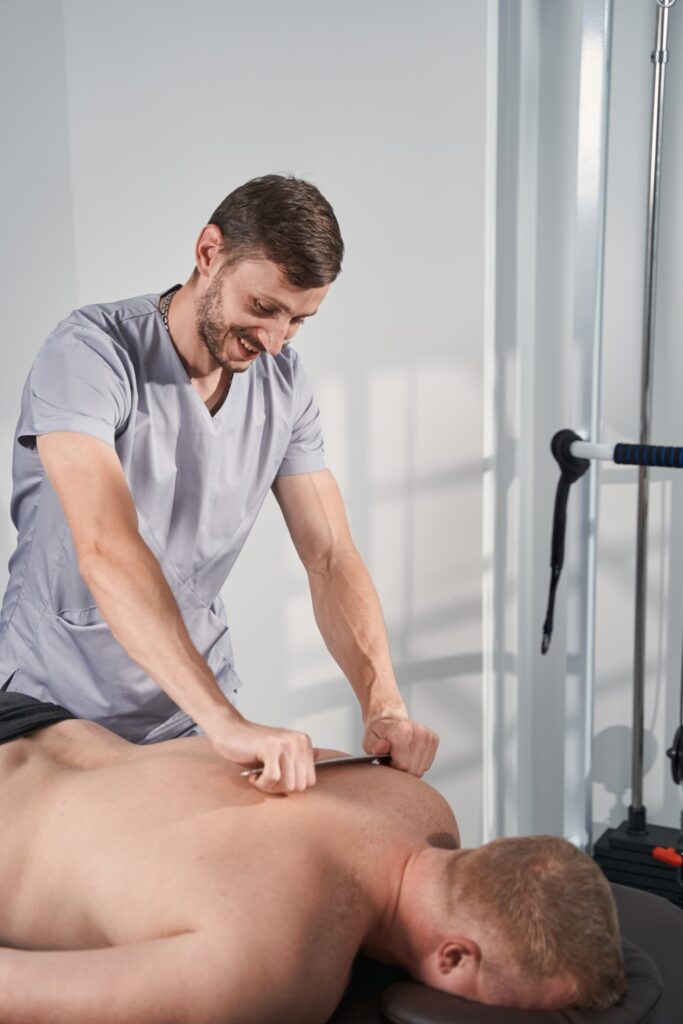
Manual Therapy & Exercise
Hands-on treatment to address pain and restore function, combined with a targeted exercise programme to rebuild strength and resilience.
3
Ergonomic Assessment
Evaluation of your workstation setup, tool use, or movement patterns at work — with clear, practical recommendations for modification.
4
Graded Return-to-Work Planning
A staged plan for returning to your role safely — starting with modified duties where necessary and progressing to full capacity.
5
Workplace Communication
With your consent, we can liaise with employers or occupational health teams to support your return-to-work process.
Ergonomic Assessment — Is It Right for You?
You may benefit from an ergonomic assessment if you:
- Experience regular neck, shoulder or back pain at or after work
- Spend more than 4 hours a day at a desk or computer
- Perform repetitive tasks with your hands, arms, or upper body
- Have recently changed role, workstation, or working arrangements
- Are returning to work after an injury or extended absence
Frequently Ask Question
Have questions? Explore our frequently asked questions to learn more about our treatments, booking process, and patient care.
Yes — you can book privately and manage your treatment entirely independently. Your employer does not need to be involved unless you choose to include them in your return-to-work planning, which we can facilitate with your consent.
Not always. Many work-related conditions can be treated while you continue working, sometimes with temporary modifications to your duties or environment. We will give you clear guidance on this at your assessment.
This varies significantly depending on the injury, how long it has been present, and your working conditions. Many acute conditions improve within a few weeks of targeted treatment and ergonomic modification. Chronic conditions may require a longer, more structured programme