Concussion Management
Safe, Evidence-Based Concussion Rehabilitation and Return-to-Sport
Concussion is a brain injury that requires specialist assessment and careful, structured management. Whether your concussion is recent or symptoms have persisted for weeks or months, our evidence-based rehabilitation programme can help you recover safely and return to full activity with confidence.
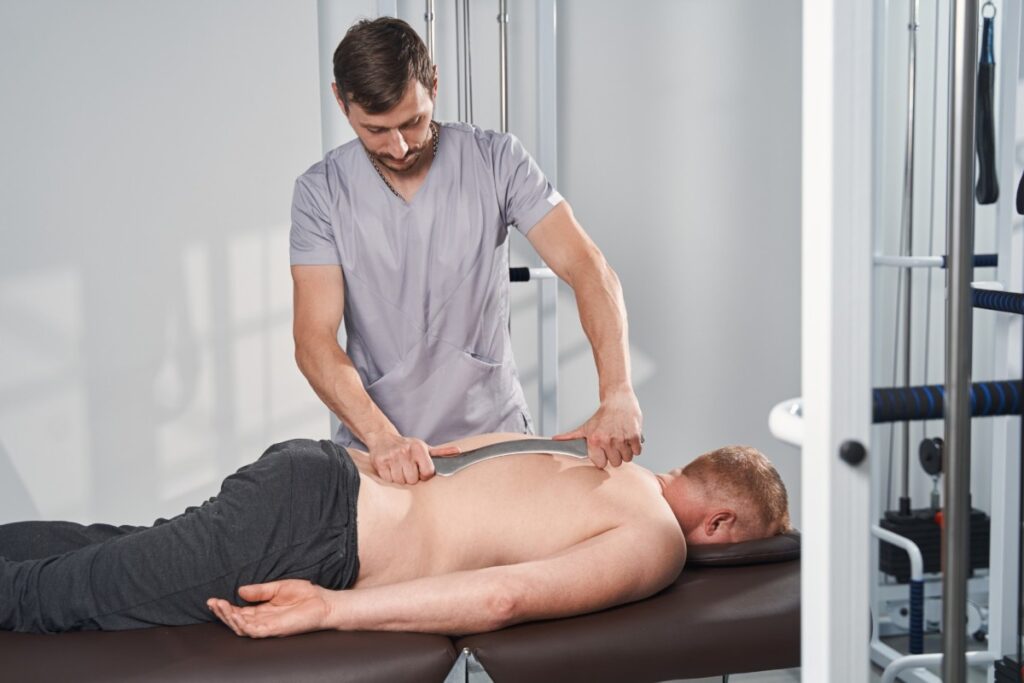
Signs & Symptoms of Concussion
- Headache or head pressure
- Dizziness and balance problems
- Nausea or vomiting (acute)
- Cognitive fog and difficulty concentrating
- Sensitivity to light and noise
- Visual disturbances
- Sleep disturbance
- Emotional changes — irritability, low mood
Safe, evidence-based concussion rehabilitation with personalized care to support a confident return to sport and daily activities.
Our Concussion Rehabilitation Programme
Our concussion management programme is multifaceted and adapted to your specific symptom profile. We address all systems affected by concussion — cervical spine, vestibular, oculomotor, and cardiovascular — for a complete recovery.
Simple Steps to Start Your Recovery
Take the first step toward better health with our simple, personalized care process designed to help you recover safely, effectively, and with confidence.Lorem ipsum dolor sit amet, consectetur adipiscing elit, sed do eiusmod tempor incididunt ut labore et dolore magna.
1
Comprehensive Concussion Assessment
Baseline symptom questionnaire, cervical spine screening, balance and gait testing, vestibular and oculomotor assessment, and aerobic threshold testing.
2
Cervical Spine Rehabilitation
Assessment and treatment of cervicogenic symptoms — neck pain, headache, and dizziness arising from the upper cervical spine — which frequently accompany concussion.
3
Vestibular & Oculomotor Rehabilitation
Targeted exercises to address dizziness, balance problems, and visual disturbance caused by vestibular and oculomotor dysfunction post-concussion.
4
Symptom-Titrated Aerobic Exercise
Sub-symptom threshold cardiovascular exercise to promote recovery without exacerbating symptoms — a key and often underused component of modern concussion management.
5
Cognitive Load Management
Practical strategies to manage cognitive demands at work, school, or university while your brain recovers — avoiding prolonged rest while preventing symptom exacerbation.
Return-to-Sport Protocol
A structured, step-by-step program that ensures a safe and gradual return to sports after a concussion or injury.
Frequently Ask Question
Have questions? Explore our frequently asked questions to learn more about our treatments, booking process, and patient care.
Post-concussion syndrome refers to concussion symptoms that persist beyond the expected recovery window — typically 10–14 days in adults and 4 weeks in children. It is not a sign of permanent damage. With the right rehabilitation, the vast majority of people with post-concussion syndrome recover fully.
Current evidence strongly advises against prolonged complete rest. While a short period of relative rest (24–48 hours) is appropriate immediately after concussion, early, graduated return to activity under physiotherapist guidance leads to faster and better recovery than extended rest.
Return to contact sport requires completion of all six stages of the return-to-sport protocol AND medical clearance from a doctor experienced in concussion management. Timeframes vary — most uncomplicated concussions in adults take 2–4 weeks, but there is no minimum time — only clearance criteria.